
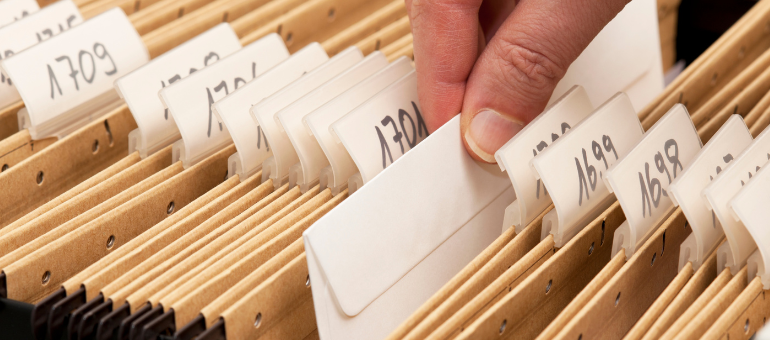
Taking these steps today, can save you valuable time in the future.
Organizing Important Documents: What to Keep and How to Store It
Keeping important documents organized may not be something we think about every day, but having a simple system in place can save time, reduce stress, and help protect your financial well-being. Whether you’re managing household paperwork or planning for the future, knowing what to keep and how to store it is an important step.
Key Documents to Keep
Most important documents fall into a few main categories:
1. Financial Documents
These include bank statements, loan paperwork, mortgage documents, investment records, tax returns, and insurance policies. Many of these should be kept for several years, especially tax-related records.
2. Personal Identification
Birth certificates, Social Security cards, passports, marriage licenses, and divorce decrees are critical documents that may be difficult or time-consuming to replace.
3. Legal Documents
Wills, trusts, powers of attorney, titles, deeds, and estate planning documents should be clearly labeled and easy for trusted individuals to locate if needed.
4. Medical and Insurance Records
Health insurance policies, benefit summaries, vaccination records, and important medical information can be helpful in emergencies or during major life changes.
How to Organize Your Documents
A clear system makes documents easier to find when you need them:
- Group by category (financial, legal, personal, medical)
- Label folders clearly
- Keep only what you need—shred outdated or unnecessary paperwork
- Update regularly, especially after life events like marriage, buying a home, or retirement
Many people find it helpful to keep a simple checklist of where important documents are stored.
Safe Storage Options
Physical Storage:
Important original documents should be stored in a secure, fire-resistant location. This might include a home safe or a safe deposit box at your local bank. Documents that are needed frequently may be better kept at home, while long-term records can be stored securely offsite.
Digital Storage:
Scanning documents and storing them digitally can provide easy access and backup. Be sure to:
- Use strong passwords
- Enable encryption when possible
- Back up files securely
- Avoid storing sensitive documents on shared or public devices
Why It Matters
Having organized and secure documents helps protect you from identity theft, ensures your wishes are carried out, and makes financial planning easier for you and your loved ones. It’s a small effort that can make a big difference, especially during emergencies or major life events.