
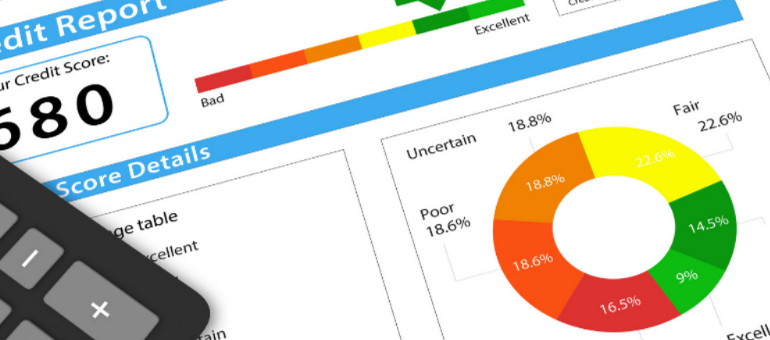
Credit reports can be filled with unfamiliar terms and numbers. Let’s break down what they mean, what to look for, and how to spot information that may need your attention.
How to Read Your Credit Report: A Simple Guide
Your credit report is more than just a three-digit credit score. It is a detailed record of your credit history that lenders may use when evaluating applications for loans and credit. If you've ever pulled your report and wondered what all those abbreviations, dates and numbers actually mean, you're not alone. Understanding the basics can help you recognize what's accurate, identify potential errors and better understand your overall financial picture.
Start With Your Personal Information
The first section of your credit report typically contains identifying information such as your name, current and previous addresses, date of birth and possibly your social security number or a shortened version of it. You may also see variations of your name if you've used different names when applying for credit.
Take a moment to make sure this information is correct. An unfamiliar address doesn't automatically mean someone has stolen your identity, but information you don't recognize is worth investigating.
Understanding Your Credit Accounts
One of the largest sections of your credit report is your account history, sometimes called your "tradelines." A tradeline is simply a credit account reported to the credit bureaus.
You may see two common types of accounts:
- Revolving accounts: Credit cards and lines of credit where you can borrow, repay and borrow again up to a credit limit.
- Installment accounts: Loans such as mortgages, auto loans and personal loans that are generally repaid through scheduled payments over a set period of time.
For each account, you may see terms such as:
Account status: Indicates whether an account is open, closed, paid, delinquent or in collections.
Date opened: The date the account was originally opened.
Credit limit: The maximum amount you can borrow on a revolving account, such as a credit card.
Balance: The amount currently owed or the balance most recently reported.
Payment history: Shows whether payments were made on time or were late. You may see numbers such as 30, 60, 90 or 120, which generally indicate how many days a payment was past due when it was reported.
Past due: The amount of money that was overdue at the time the information was reported.
What Is Credit Utilization?
If you have a credit card or another revolving account, you may come across the term credit utilization ratio. This represents how much of your available revolving credit you're using.
For example, if your credit card has a $5,000 limit and your balance is $1,000, your utilization is 20%.
Keeping an eye on your balances can be helpful because high credit utilization can affect your credit profile. Paying your balance on time and keeping your overall debt manageable are important parts of responsible credit management.
Don't Ignore the Inquiries Section
Another section you'll likely see is credit inquiries. An inquiry occurs when your credit report is accessed.
There are two types you should know:
Hard inquiries generally occur when you apply for credit, such as a loan or credit card. Multiple hard inquiries may be listed on your report.
Soft inquiries can occur when you check your own credit, when a lender or credit card company makes a promotional inquiry, or in other situations that don't involve a new credit application. Soft inquiries generally don't affect your credit score.
If you see a hard inquiry from a company you don't recognize, it's worth looking into.
What Does FCRA Mean?
You may also see references to FCRA, which stands for the Fair Credit Reporting Act. This federal law governs how consumer credit information is collected, accessed and used. Among other protections, consumers have rights concerning the accuracy of information contained in their credit reports.
You may also see references to the three major credit bureaus: Equifax, Experian and TransUnion. These companies collect and maintain information about your credit history, and the information on one report may not always be identical to the others.
What If You Find an Error?
Don't panic if you find something that doesn't look right. First, review the information carefully and determine whether it may simply be an unfamiliar account name or reporting difference. If you believe information is inaccurate or incomplete, you can dispute it with the credit reporting agency and, when appropriate, the company that provided the information.
Also pay close attention to accounts or inquiries you don't recognize. While an unfamiliar item isn't automatically proof of identity theft, it can be a reason to investigate further.
Make Checking Your Credit Report a Habit
You don't have to understand every number and abbreviation on your credit report to benefit from checking it. Start by making sure your personal information is correct, review each account, look over your payment history and check the inquiries section. Taking a few minutes to review your report periodically can help you catch mistakes early and stay informed about your financial health.